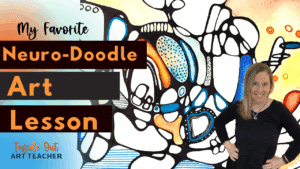
In this video, I share how I approach high school art projects in those first critical days of class — from building connection to meaningful first-week activities.
Why the First Week of High School Art Matters
First week high school art projects set the tone for everything that follows. Students walk in unsure, excited, skeptical, or quietly hopeful — and that first project can either build confidence or shut it down. — and in that first class period, you’re not just introducing a project. You’re establishing routines, expectations, creative confidence, and the culture of your studio.
In this guide, you’ll find high school art projects and first-day activities that hook students quickly, along with practical strategies for building connection and momentum from day one. These ideas are designed to work in real secondary classrooms — whether you need a quick one-day win or a confident starting point for the rest of the semester.
Strong lessons run even smoother when clear art classroom systems are in place to support expectations, transitions, and student ownership.
The first days of school are stressful. By the time students walk into your room, you’ve already written a syllabus, mapped out curriculum, planned procedures, and tried to anticipate every possible scenario. You want to appear prepared and in control — but more importantly, you want your students to feel safe, capable, and ready to create.
All of that matters. But there’s one simple action that can shape your entire year more than any perfectly planned lesson.
Early in my teaching career, a colleague shared a quote that shifted my priorities for the first weeks of school:
“People don’t care how much you know until they know how much you care.”
That reminder changed how I approached day one. Before worrying about the perfect project, I started focusing on one clear goal: making sure my students felt seen.
If you’re planning future lessons, this guide to seasonal art activities for middle and high school students includes projects for every time of year.
Building Connection Before Building Skill
It may seem simple, but learning your students’ names within the first few days can be one of the most powerful things you do all year. It’s the fastest way to show students they matter and to begin building trust.
Yes, it feels overwhelming when you have 100+ students and a hundred other responsibilities competing for your attention. But when you make this a true priority, the impact on your classroom culture is immediate.
Why Names Matter More Than You Think
I’ve always been fascinated by how mindset and emotion affect learning. When students feel insecure, overlooked, or anxious, it’s much harder for them to take creative risks — and art class requires risk.
Something as simple as hearing their own name changes that dynamic. When you remember and use a student’s name early, you signal attention, care, and respect. That small moment can immediately lower anxiety and build trust.
As memory expert Jim Kwik explains, we often forget names because we’re focused on what we’re going to say next instead of truly listening. The solution isn’t talent — it’s intention.
Make It a Real Priority
Remembering names used to feel overwhelming to me too — until I decided it was non-negotiable. Once I made it a true priority instead of something I would “get to eventually,” it became much easier.
When students realize you’re genuinely trying to learn their names, the classroom dynamic shifts quickly. The comfort level rises. The trust builds faster. And everything else — from routines to creative risk-taking — becomes easier.
Why It Builds Trust So Quickly
When students hear their name spoken confidently and correctly, it signals that they matter. That small moment builds trust faster than any perfectly planned icebreaker.
Many students walk into art class unsure of their abilities — especially if they’ve already decided they “aren’t good at art.” When they feel seen and recognized from day one, they’re far more willing to participate, take risks, and engage.
It’s a simple action with a powerful ripple effect.
How to Learn Student Names Fast (Practical Strategies)
Here are the strategies that have worked consistently for me. Try a few, adapt them to your style, and commit to practicing them during those first days. The payoff is worth it.
1. Slow Down During Attendance
Make a conscious effort to really listen as you call attendance. Look directly at each student and give yourself permission to move slowly. I often tell my classes I’m moving slower on purpose because I genuinely want to learn their names. Students appreciate the effort.
2. Use Visualization Tricks
Memory expert Jim Kwik recommends connecting names to strong visual images. If a student’s name sounds like another word, create a mental picture linking the two.
For example:
Brayden → imagine a braid
Ailea (A-leash) → picture her walking a dog on a leash
The more exaggerated and visual the image, the easier it sticks.
3. Preview the Roster Before Students Enter
On day two, review your roster before students walk in. As they enter the room, silently test yourself. If you forget a name, quickly check and reinforce it before taking attendance.
4. Make Eye Contact Before Saying the Name
When calling attendance, find the student first, make eye contact, and then say their name. That intentional pause strengthens the memory connection.
5. Use Name-Based Art Projects
Have students create a first-day project that incorporates their name. Seeing their names visually reinforces the memory connection and doubles as a low-pressure creative warm-up.
First-Day Art Projects That Build Confidence Fast
Below are a few first-day art projects I use regularly. Each one incorporates student names while also encouraging personal expression. They’re low-pressure, accessible for all skill levels, and designed to create an immediate sense of success.
More importantly, they set the stage for deeper work later in the semester by helping students feel comfortable, capable, and connected from day one.
If you’re looking specifically for more structured ideas to carry you through the entire first week (beyond day one), you can also explore my full collection of first week of school art activities here.
Easy and Quick High School Art Projects for the First Week
In the first week, students don’t need complicated assignments — they need momentum. Easy and quick high school art projects help lower anxiety, build early confidence, and establish creative routines without overwhelming students.
These one-day or short-term art lessons are designed to create immediate success. They give you time to observe skill levels, learn student personalities, and set expectations while still producing meaningful work. These quick one-day high school art projects are especially helpful during the first week, when students need structure without pressure and teachers need flexible lessons that can adapt to different skill levels.
The projects below are low-pressure, adaptable, and strong enough to stand on their own — but they also transition smoothly into more structured high school art lessons later in the semester.
Pop Art Name Design for Middle or High School Art
This project works especially well for both middle and high school students and pairs nicely with more structured beginner drawing lessons later in the semester. The Pop Art Name Design lesson is a perfect icebreaker for the first day of school. Students get to create a vibrant, pop art-inspired design featuring their names. It’s a great way for them to express their individuality while learning about the elements of pop art. Plus, the bold and colorful results make for an awesome classroom display.
Radial Symmetry Name Design
In this Radial Symmetry Mixed Media Design. Students create a radial symmetry design using their name and add collage and paint marker to embellish the piece and incorporate some of their interests. It is a super simple get to know you art project and creates a mandala like design.
👉 View the full step-by-step lesson here.


Reflective Symmetry Name Design
In the Reflective Symmetry Name Design below, students reflect their name over an axis and fill the shape with patterns, textures, and colors of their choice. They come out looking like little totems. You can stack them on top of each other and they look great displayed together in the classroom or hallways.
👉 View the full step-by-step lesson here.
Neuro Doodle Design with Student Names
This last get to know you art project is my favorite. In this Neuro Doodle Design students begin by writing their name large across the paper and then add freeform lines over the top and smooth out all of the intersections with a sharpie.
👉 View the full step-by-step lesson here.


What Matters Most in the First Week of High School Art
The goal of the first week isn’t perfection — it’s momentum. When students experience early success and feel seen, they begin to believe they can succeed in your class. That shift in mindset is what carries into the rest of the semester.
These confidence-building projects create a strong foundation. From there, you can gradually introduce more structured skill development and deeper artistic challenges.
If you’d like to see how I transition from these early projects into a clear sequence of drawing lessons that build technical skills over time, you can explore my beginner drawing lesson progression here.
Planning the Rest of the Semester
Once your students feel confident and connected, the next step is building structure. Having a clear plan for your high school art curriculum makes the rest of the year feel intentional instead of reactive.
If you’re looking for a bigger-picture view of how to organize lessons, projects, and skill development throughout the semester, explore my full High School Art Planning Hub for organized high school art projects and curriculum planning ideas.
Many of these projects also adapt beautifully for middle school classrooms. You can explore additional middle school lesson ideas here.