Planning a high school art curriculum can feel overwhelming when you’re trying to balance foundational skills, student choice, creative confidence, and projects that actually work with your schedule and supplies.
You may be wondering:
- What should I teach first in a high school art class?
- How do I build strong drawing and design skills without losing student interest?
- How can I plan a year that feels structured but still leaves room for creativity?
If that sounds familiar, you’re not alone. A strong high school art curriculum does not have to be a rigid script. It should give students a clear foundation while still allowing them to take ownership of their ideas.
This guide walks through a practical way to plan a high school art curriculum that builds essential skills, supports creative growth, and still feels realistic for a busy art classroom.
You may also want to browse seasonal art projects for middle and high school students if you’re looking for timely project ideas throughout the year.
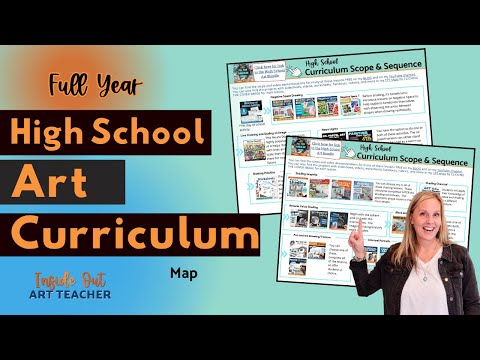
Sample High School Art Curriculum Scope and Sequence
A strong high school art curriculum usually works best when projects build in a logical sequence. Students need time to practice foundational skills like line, shape, value, color, composition, and observation before they are expected to make more independent creative decisions.
Here is one simple way to structure a high school art curriculum across the year:
- Unit 1: Drawing foundations, classroom routines, and confidence-building projects
- Unit 2: Line, shape, negative space, and composition
- Unit 3: Value, shading, and observational drawing
- Unit 4: Color theory, colored pencil, painting, or mixed media
- Unit 5: Personal subject matter and more independent project choices
- Unit 6: Reflection, critique, portfolio work, or extension projects
You do not have to follow this sequence exactly. The best high school art curriculum is flexible enough to adjust for your students, schedule, class length, supplies, and school calendar.
1. Start Your High School Art Curriculum with Foundational Skills
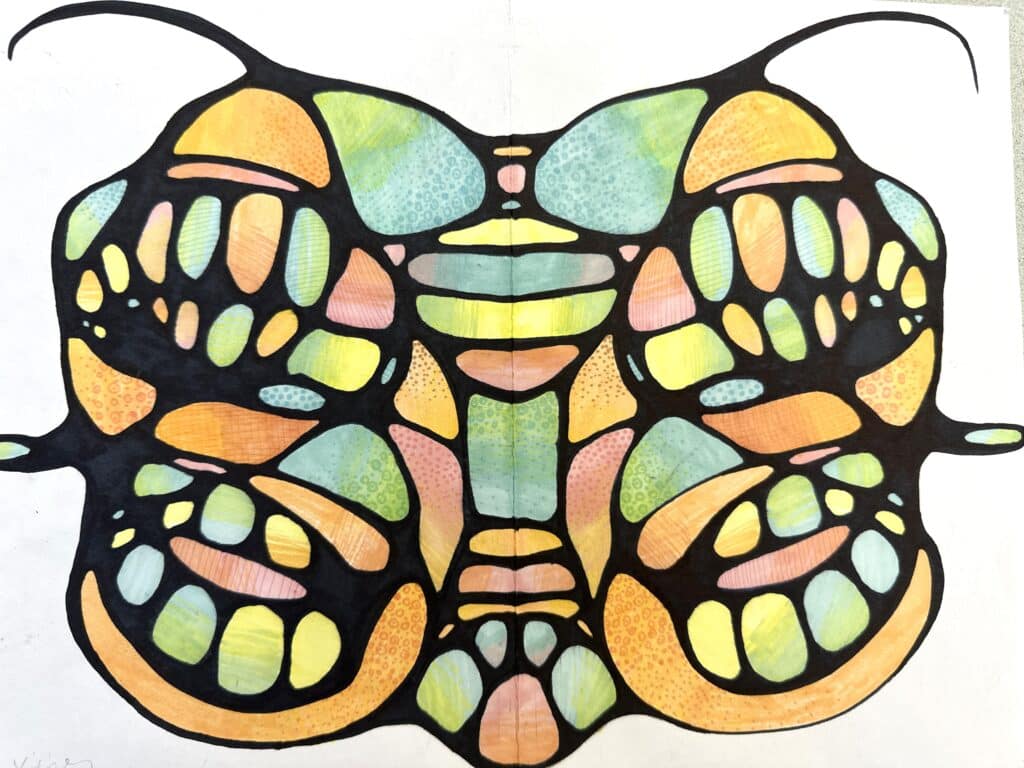
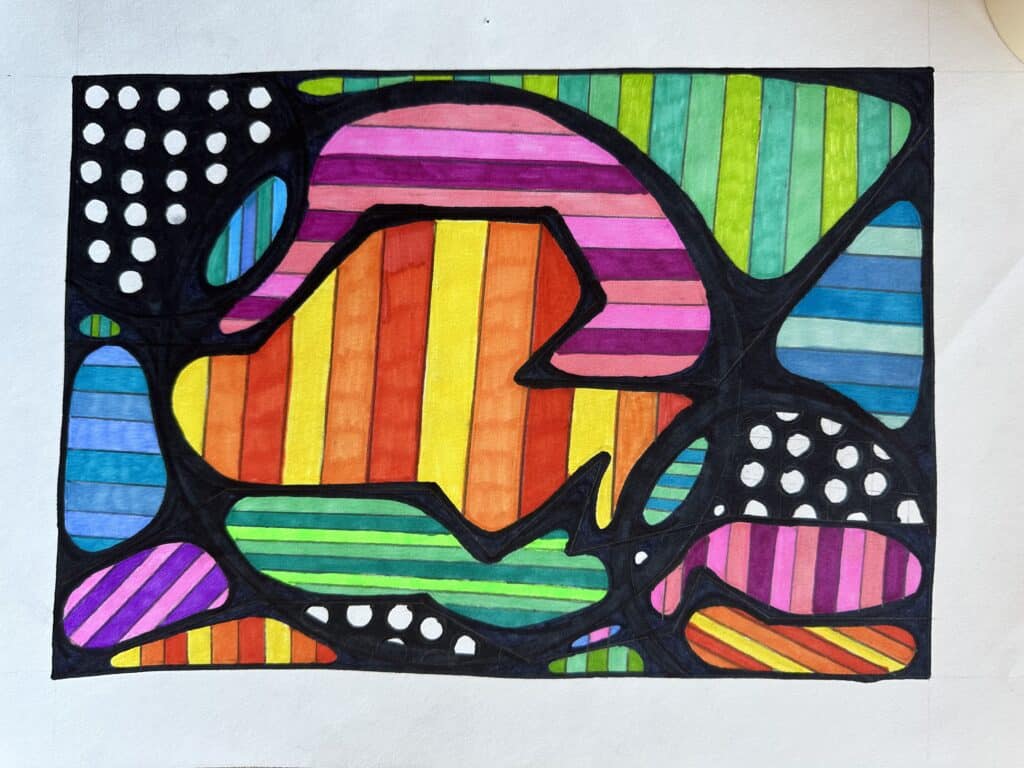
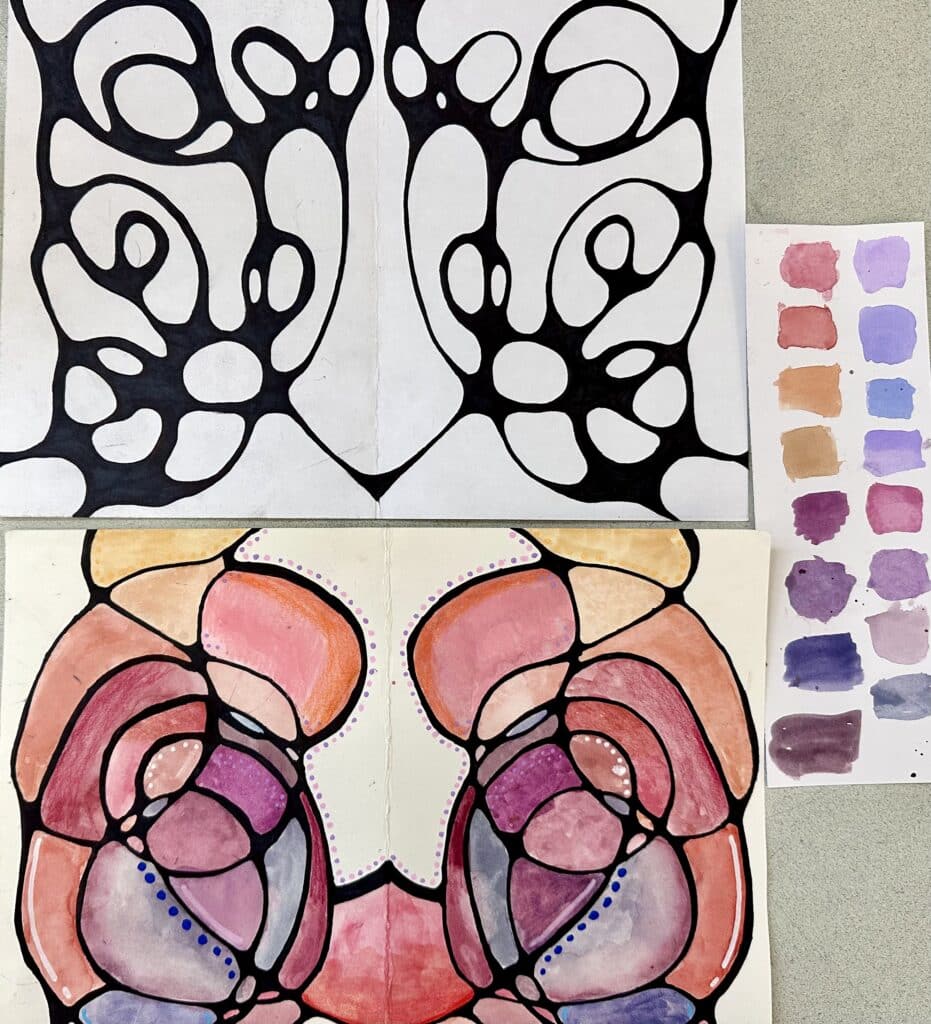
As art teachers, we know how important it is to start the year with lessons that build confidence while laying down the essentials. Begin with fun and approachable high school art projects that let students explore their interests while you sneak in fundamental skills like line drawing, negative space, and shading. These basics are the backbone of visual art; getting students comfortable with them early on is key to their growth.
By focusing on simple yet meaningful lessons, you help students feel successful right from the start, which can be a game-changer for those who walk into your classroom thinking, “I can’t draw.” This approach not only eases their anxieties but also sets a solid foundation, making it easier for them to embrace more complex techniques later on. It’s about creating a safe space where they can thrive and see that, yes, they really can do this art thing.
If you want ready-to-use lessons for this part of the year, I’ll link my favorite curriculum resources at the end of this post.

2. Build Skills in a Logical Sequence
We’ve all seen it: the spark in students’ eyes when they realize they’ve mastered a skill that once felt impossible. To keep that spark alive throughout the year, developing engaging high school art lesson ideas and design projects that gradually increase in complexity while reinforcing foundational techniques is crucial. Repetition is your best friend here. By revisiting key skills like line drawing, negative space, and shading, you help students internalize these concepts to the point where they become second nature.
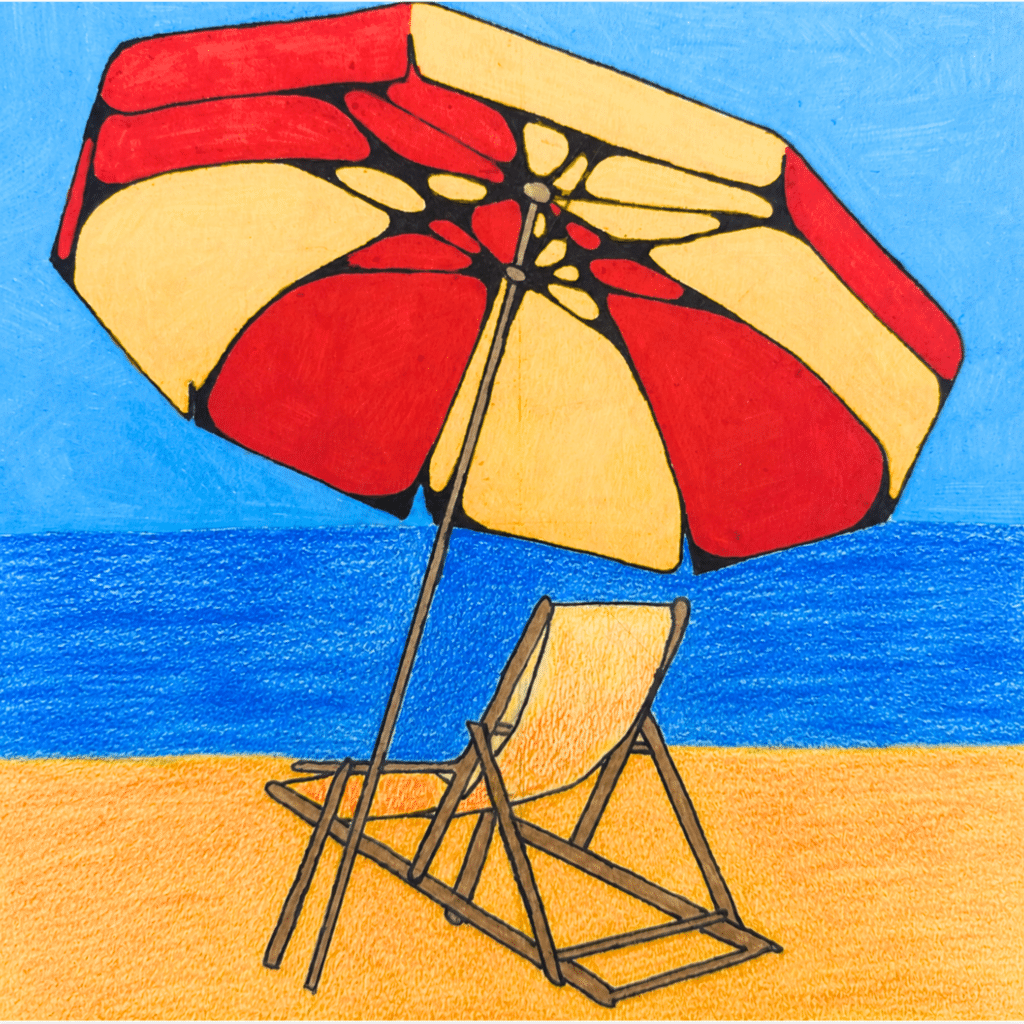
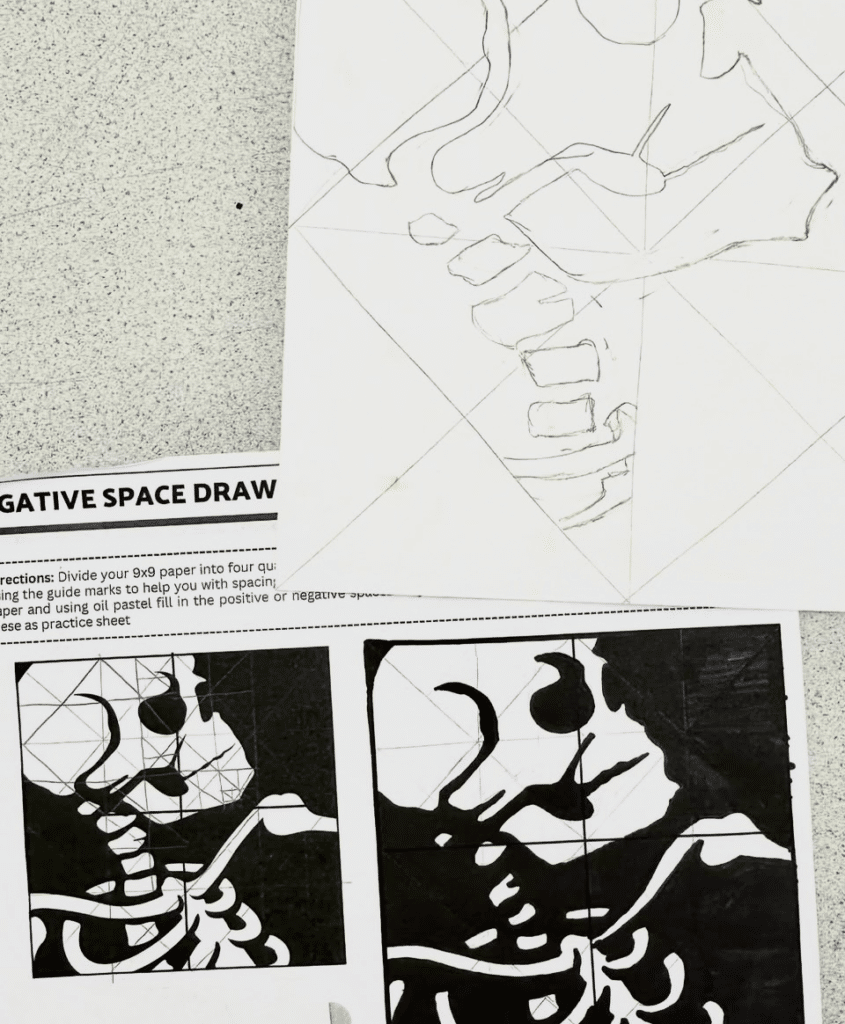
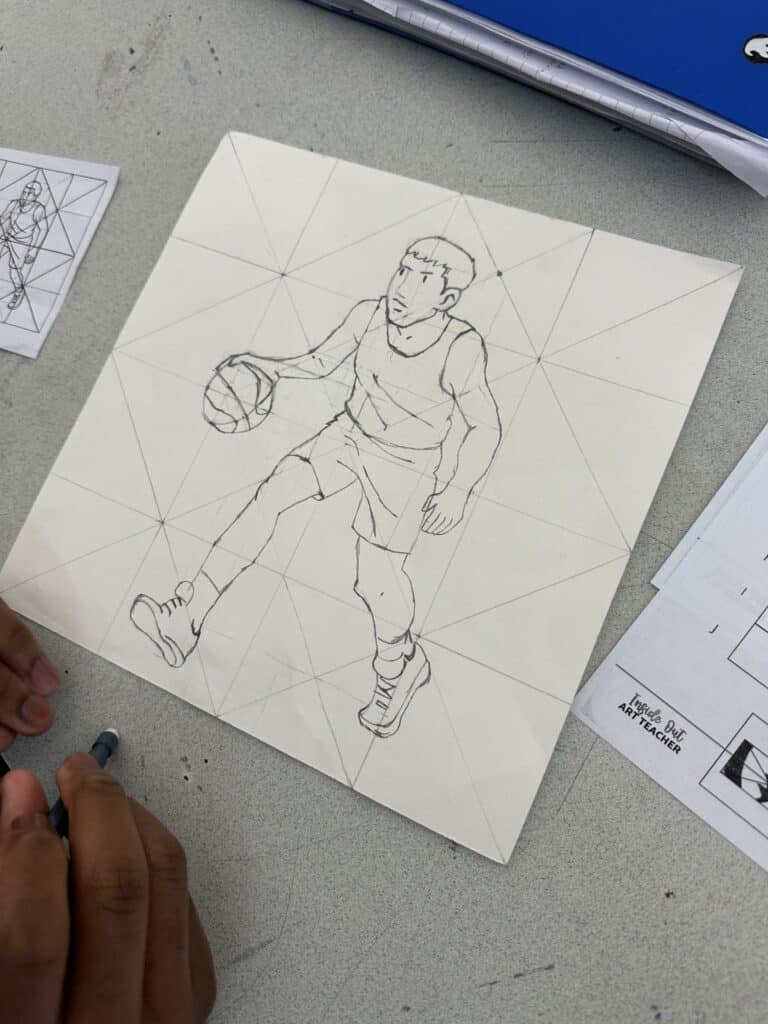
For example, you might start with a project focused on positive and negative space, using an X grid to help students grasp the basics. In the next lesson, you build on this by introducing line weight, still using the X grid, but with a slightly more challenging subject. As the year progresses, you layer in additional techniques, like shading, value, and eventually color theory; all while reinforcing those core skills. This way, students aren’t overwhelmed by too many new concepts at once; instead, they can build on what they’ve already learned, gaining confidence and proficiency with each step. It’s about creating a rhythm in your curriculum that keeps students engaged and steadily progressing, with each project building on the last.
In a strong high school art curriculum, each project should either introduce a new skill, reinforce a previous one, or give students a more independent way to apply what they have already practiced.
If you also teach younger students, this sequence can be adapted for a middle school art curriculum with more emphasis on routines, confidence, and exposure to different media.

3. Give Students Practice Before Bigger Projects
As art teachers, we know that every classroom comes with its unique mix of personalities, skill levels, and learning paces. Offering flexibility within your curriculum is key to addressing these differences. By providing options like multiple shading lessons or alternative drawing projects, you can tailor your approach to meet the needs of each student, especially if you’re teaching a mixed-level class. This flexibility ensures that all students, regardless of their starting point, have the opportunity to grow and succeed in their artistic journey.
When introducing new skills, it’s helpful to break things down into smaller, manageable exercises. Encourage students to see these quick practice sessions as opportunities to make mistakes and learn from them—a concept that can be challenging in a world that often emphasizes perfection. Remind them that, just like in sports, practice is essential before they jump into the main project. Using a sports analogy, where athletes go through drills before playing in a game, can make this idea more relatable. When students understand that mistakes are a natural part of the learning process, they’re more likely to embrace challenges and develop their skills with confidence.
Simple drawing worksheets and skill-building practice pages can also work well as emergency art sub plans when you need students to keep practicing independently.
4. Introduce Similar Drawing Skills in New Media
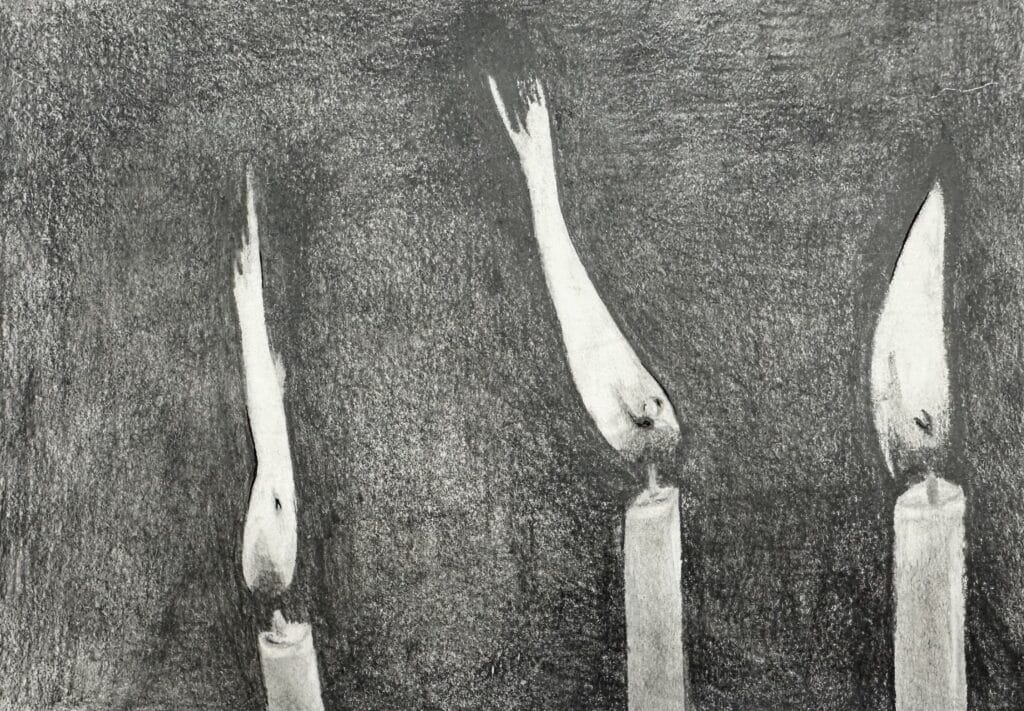
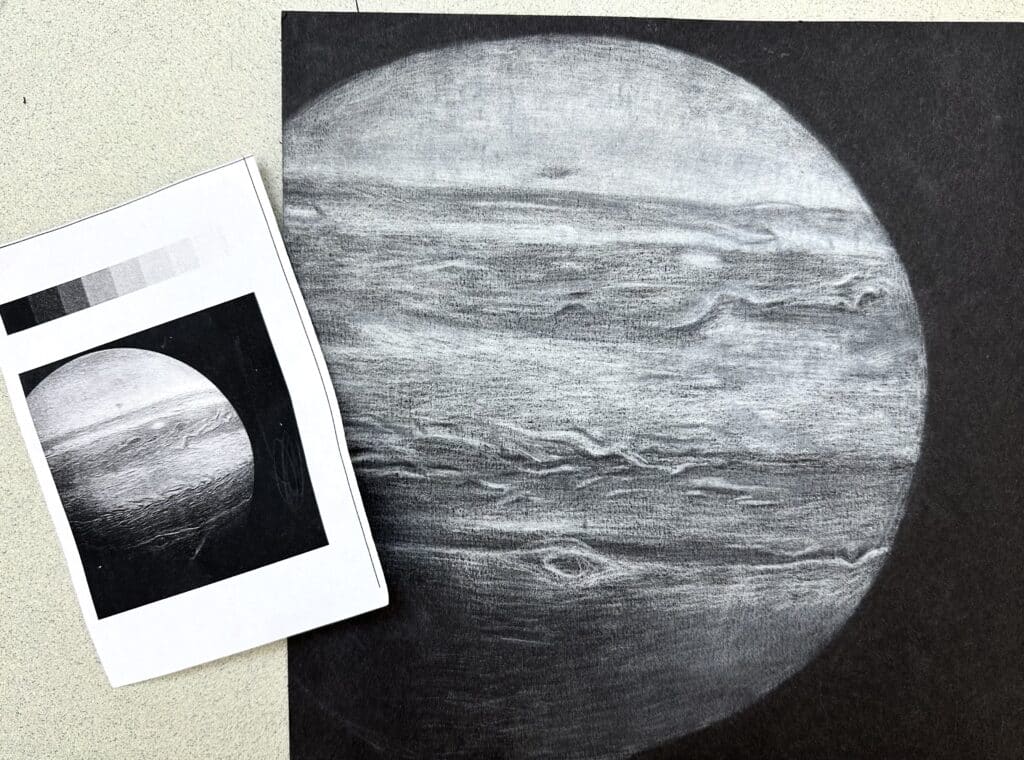
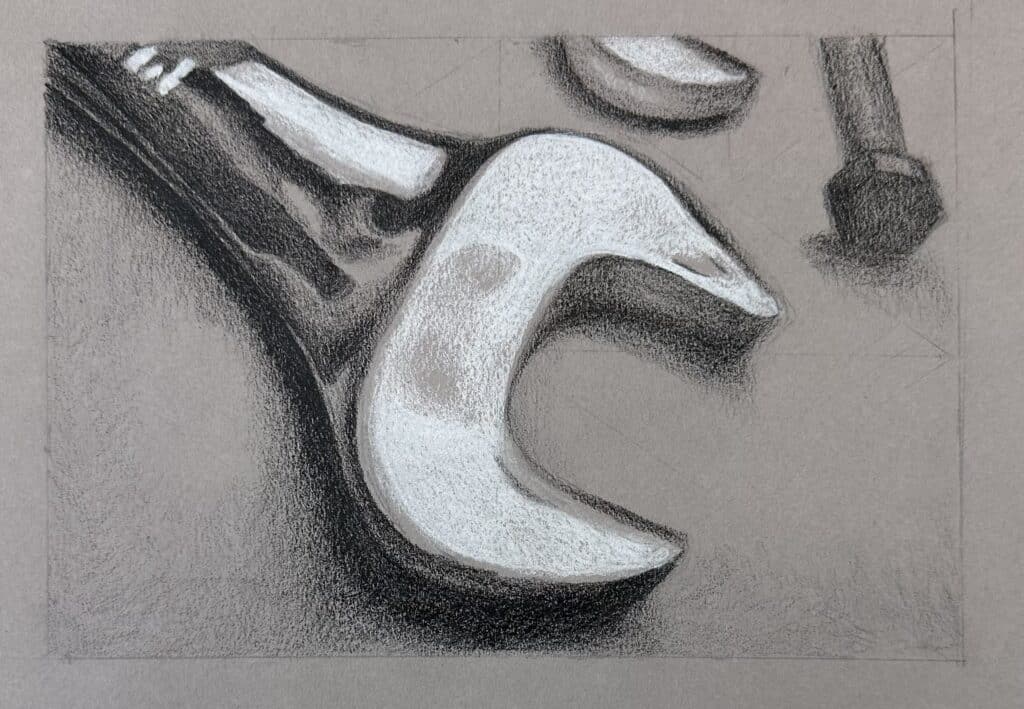
We all know that repetition is crucial in helping students master the basics, but it doesn’t have to be monotonous. Providing students with various materials and surfaces to work on can make practicing the same skills feel fresh and exciting. For instance, why not switch it up when working on value drawings by having them draw on toned or colored paper? Using black and white colored pencils or charcoal on these different backgrounds can dramatically change the mood of their work, allowing them to see how the same techniques can produce vastly different results.
As students grow more confident, you’ll notice that scaling and other foundational techniques start to come naturally to them. The grid they once relied on becomes more of a backup plan than a necessity. But it’s important for them to know that these tools are always available if they need to break down an image or refocus their efforts. This gradual shift from reliance on tools to intuitive drawing is a sign of their growth, and it’s rewarding to see them build these skills step by step.
5. Foster Confidence with Gradual Progression
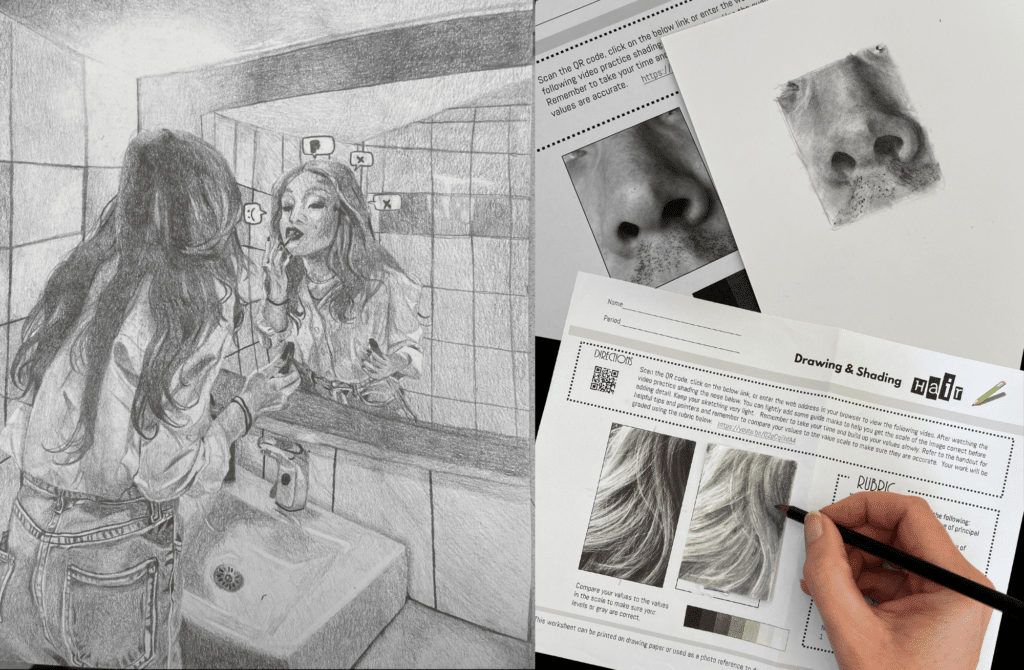
Crafting a high school art curriculum where each project builds upon the last is key to helping students develop both their skills and confidence. By coming up with art lesson ideas that are scaffolded and structuring lessons this way, students can see their progress in real-time, which boosts their sense of accomplishment and motivates them to take on more challenging projects. Starting with foundational techniques like scaling and shading in black and white lays the groundwork for more complex skills, creating a clear path for students to follow.
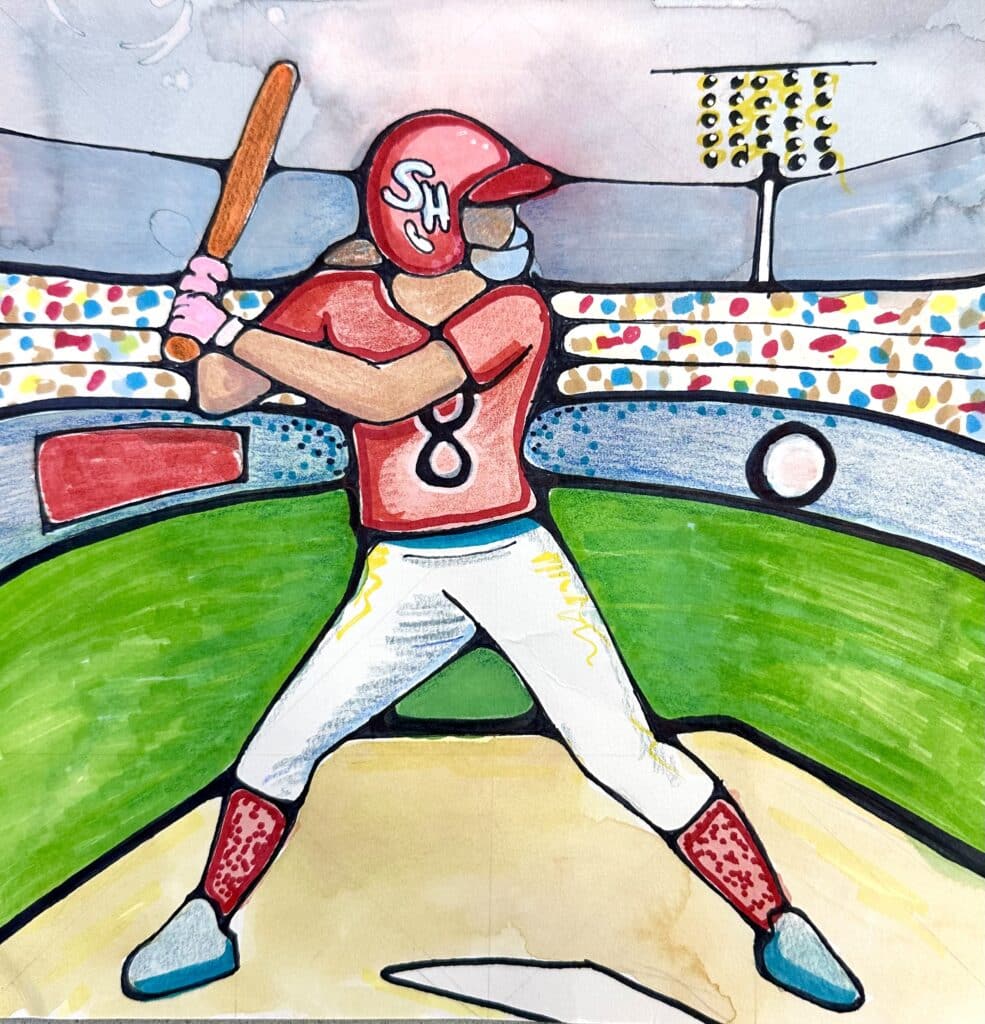
Once students have a solid grasp of these basics, it’s time to introduce them to color theory. A great way to ease them into this is through a project using colored pencils, an affordable medium that offers a high level of control. This allows students to apply what they’ve learned about value and shading in a new context. From there, you can branch out into other colored materials such as watercolor, markers, oil pastels, or acrylic paint. Starting with colored pencils sets them up for success, as they can produce impressive results while still feeling in control of the medium.
6. Utilize Sub Plans for Continuity
Having a variety of emergency sub plans at the ready is a lifesaver for maintaining the flow of your curriculum, especially when unexpected absences occur. It’s crucial to ensure that your students stay on track, even in your absence, without the risk of derailing their progress.
To make this seamless, I recommend preparing easy-to-follow drawing worksheets that reinforce skills students have already learned. Keeping materials simple and minimizing mess is key since most substitute teachers may not have an art background. By providing clear, engaging activities, you can be confident that students will remain engaged, enjoy the process, and continue honing their skills. Plus, students get the chance to revisit the basics and show off their creativity, all while ensuring the classroom runs smoothly.
Get Your Free High School Art Curriculum Guide!
If you’re looking for more guidance on structuring your high school art projects, don’t miss out on my free High School Art Curriculum Guide. It’s packed with tips, lesson ideas, and a suggested scope and sequence to help you create a successful and engaging art program.
👉 Download the Free High School Art Curriculum Guide
Recommended High School Art Curriculum Resources
- Full-Year High School Art Curriculum Bundle
- Beginner Drawing Unit Bundle
- Drawing and Shading Worksheets
- Emergency Art Sub Plans
- High School Art Projects
Want the Done-for-You High School Art Curriculum?
If you want a ready-to-use option, my No Prep Full Year High School Art Project Bundle includes projects and worksheets designed to help you build a flexible, skill-based program for your students.

Ready to make your teaching high school art experience smoother and more enjoyable? 🎨
👉View the Full-Year High School Art Projects Bundle👈
High School Art Curriculum FAQ
What should be included in a high school art curriculum?
A high school art curriculum should include foundational drawing skills, composition, value, color theory, media exploration, creative problem-solving, critique, and opportunities for students to develop more personal artwork over time.
How do you plan a high school art curriculum?
Start by identifying the skills students need most, then arrange projects so each unit introduces or reinforces those skills. A strong high school art curriculum usually moves from structured foundational lessons toward more independent and personal projects.
What should students learn first in high school art?
Many students benefit from starting with low-pressure drawing and design lessons that build confidence while practicing line, shape, value, observation, and composition.
How long should a high school art unit be?
The length of a high school art unit depends on your schedule, class level, and project complexity, but many units work well when they include direct instruction, practice, studio work, critique, and reflection.
Be the first to know about discounts, freebies, and new high school art lesson ideas!
Find me on my blog – Inside Out Art Teacher, YouTube, or Instagram.